SK JAIN DISTRIBUTORS

S.K. Jain Distributors
QUALITY AND SERVICES - WHAT WE DELIVER

COATED FABRICS

Coated Fabric

COATED FABRICS

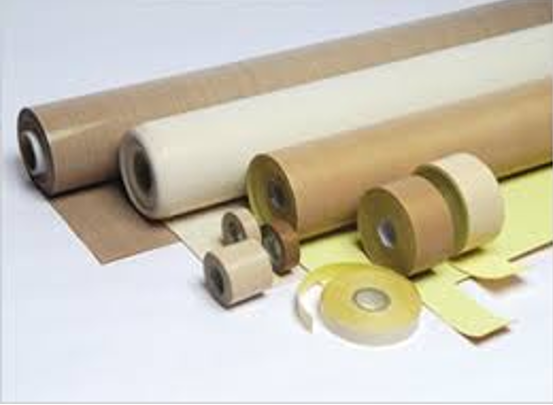
At their core, coated fabrics are composite materials. They are made by bonding a functional polymer coating onto a structural textile substrate (the “base fabric”). Imagine building a road: the fabric substrate ensures the mechanical stability, strength, and tear resistance (the asphalt base), while the coating provides the weatherproofing, anti-slip properties, and specialized protection (the specialized top layer). The Recipe:
  1. The Substrate (The Foundation): This is typically a woven or knitted fabric made of nylon, polyester, fiberglass, or cotton. Its job is to provide the bulk of the material’s structural integrity and tensile strength.
  2. The Coating (The Shield): This is the chemical layer applied to the surface. It provides the properties the fabric lacks—water resistance, chemical inertness, UV protection, or flame retardancy.
The application process can involve calendering (pressing), laminating (gluing layers together), or knife-over-roll coating (spreading the polymer onto the fabric). The Essential Superpowers of Coated Materials Why go through the effort of adding a costly, specialized coating? Because it unlocks a range of functionalities impossible for the raw fabric alone. These properties define why coated fabrics dominate sectors where failure is not an option.
  1. Impermeability and Weather Resistance
This is the most obvious function. Coatings like PVC or Polyurethane (PU) create a continuous film that prevents water penetration, making them ideal for rain gear, tents, and architectural membranes.
  1. Durability and Abrasion Resistance
In industrial settings, materials often face constant friction. Coatings dramatically increase the material’s lifespan, preventing wear and tear, and resisting scuffs and punctures—essential for conveyor belts and heavy-duty tarpaulins.
  1. Chemical and Stain Resistance
Many coatings are chemically inert, meaning they can resist damage from oils, solvents, acids, and common cleaning agents. This is critical in medical environments, laboratories, and industrial protective clothing.
  1. Safety (Flame Retardancy)
Specialized coatings can be formulated to self-extinguish or resist ignition, greatly improving safety compliance for furniture upholstery, aircraft interiors, and protective apparel.
  1. Aesthetics and Tactile Feel
Coatings allow manufacturers to mimic the look and feel of high-end materials like leather (often called “pleather” or “faux leather”) while offering greater consistency, color options, and resistance to environmental factors. The Big Players: Common Coating Types While the technology is always evolving, three types of coatings dominate the market based on their cost, performance, and application:
Coating Type Key Characteristics Common Uses
Polyvinyl Chloride (PVC) Highly durable, excellent chemical/UV resistance, cost-effective, easily weldable. Tarps, outdoor seating, truck covers, inflatable structures, structural architecture.
Polyurethane (PU) Lighter, more flexible, breathable (in micromaterials), often used to mimic natural fabrics. The choice for high-end soft goods. Rain gear, backpacks, fashion accessories, automotive seating, medical textiles.
Silicone Exceptional thermal stability (resists extreme heat/cold), non-toxic, highly flexible. Airbag fabrics, high-temperature shields, architectural membranes, ducting, and expansion joints.
Where Are Coated Fabrics Hidden in Plain Sight? Coated fabrics are not niche—they are ubiquitous. Once you start looking, you realize how dependent modern infrastructure and lifestyle are on these composite materials. Architecture and Structure Look up at large, modern stadiums, airport terminals, or shopping centers. Many feature massive, lightweight, translucent roof structures. These are often made from high-performance coated fabrics (like PVC or PTFE-coated fiberglass), chosen for their ability to span huge distances while resisting high winds and heat. Transportation Everywhere from car seat upholstery (offering durability and easy cleaning) to aviation interior panels (meeting strict fire safety standards) relies on coated fabrics. Truck tarps and shipping container covers use extremely durable PVC coatings to protect loads from the elements. Medical and Healthcare Coated materials are essential for hygiene and sterile environments. They are used for surgical gowns, cleanroom furniture, patient transfer sheets, and hospital mattress covers that must be impermeable to fluids and easy to disinfect. Consumer Goods and Adventure Your tent floor, your high-tech cooler lining, your waterproof dry bag, and even the durable soles of some footwear rely on the robust, flexible barriers provided by PU and PVC coatings.


SEND QUERY

Coated Fabric

COATED FABRICS

At their core, coated fabrics are composite materials. They are made by bonding a functional polymer coating onto a structural textile substrate (the “base fabric”). Imagine building a road: the fabric substrate ensures the mechanical stability, strength, and tear resistance (the asphalt base), while the coating provides the weatherproofing, anti-slip properties, and specialized protection (the specialized top layer). The Recipe:
  1. The Substrate (The Foundation): This is typically a woven or knitted fabric made of nylon, polyester, fiberglass, or cotton. Its job is to provide the bulk of the material’s structural integrity and tensile strength.
  2. The Coating (The Shield): This is the chemical layer applied to the surface. It provides the properties the fabric lacks—water resistance, chemical inertness, UV protection, or flame retardancy.
The application process can involve calendering (pressing), laminating (gluing layers together), or knife-over-roll coating (spreading the polymer onto the fabric). The Essential Superpowers of Coated Materials Why go through the effort of adding a costly, specialized coating? Because it unlocks a range of functionalities impossible for the raw fabric alone. These properties define why coated fabrics dominate sectors where failure is not an option.
  1. Impermeability and Weather Resistance
This is the most obvious function. Coatings like PVC or Polyurethane (PU) create a continuous film that prevents water penetration, making them ideal for rain gear, tents, and architectural membranes.
  1. Durability and Abrasion Resistance
In industrial settings, materials often face constant friction. Coatings dramatically increase the material’s lifespan, preventing wear and tear, and resisting scuffs and punctures—essential for conveyor belts and heavy-duty tarpaulins.
  1. Chemical and Stain Resistance
Many coatings are chemically inert, meaning they can resist damage from oils, solvents, acids, and common cleaning agents. This is critical in medical environments, laboratories, and industrial protective clothing.
  1. Safety (Flame Retardancy)
Specialized coatings can be formulated to self-extinguish or resist ignition, greatly improving safety compliance for furniture upholstery, aircraft interiors, and protective apparel.
  1. Aesthetics and Tactile Feel
Coatings allow manufacturers to mimic the look and feel of high-end materials like leather (often called “pleather” or “faux leather”) while offering greater consistency, color options, and resistance to environmental factors. The Big Players: Common Coating Types While the technology is always evolving, three types of coatings dominate the market based on their cost, performance, and application:
Coating Type Key Characteristics Common Uses
Polyvinyl Chloride (PVC) Highly durable, excellent chemical/UV resistance, cost-effective, easily weldable. Tarps, outdoor seating, truck covers, inflatable structures, structural architecture.
Polyurethane (PU) Lighter, more flexible, breathable (in micromaterials), often used to mimic natural fabrics. The choice for high-end soft goods. Rain gear, backpacks, fashion accessories, automotive seating, medical textiles.
Silicone Exceptional thermal stability (resists extreme heat/cold), non-toxic, highly flexible. Airbag fabrics, high-temperature shields, architectural membranes, ducting, and expansion joints.
Where Are Coated Fabrics Hidden in Plain Sight? Coated fabrics are not niche—they are ubiquitous. Once you start looking, you realize how dependent modern infrastructure and lifestyle are on these composite materials. Architecture and Structure Look up at large, modern stadiums, airport terminals, or shopping centers. Many feature massive, lightweight, translucent roof structures. These are often made from high-performance coated fabrics (like PVC or PTFE-coated fiberglass), chosen for their ability to span huge distances while resisting high winds and heat. Transportation Everywhere from car seat upholstery (offering durability and easy cleaning) to aviation interior panels (meeting strict fire safety standards) relies on coated fabrics. Truck tarps and shipping container covers use extremely durable PVC coatings to protect loads from the elements. Medical and Healthcare Coated materials are essential for hygiene and sterile environments. They are used for surgical gowns, cleanroom furniture, patient transfer sheets, and hospital mattress covers that must be impermeable to fluids and easy to disinfect. Consumer Goods and Adventure Your tent floor, your high-tech cooler lining, your waterproof dry bag, and even the durable soles of some footwear rely on the robust, flexible barriers provided by PU and PVC coatings.
SEND QUERY

Our Testimonial

S.K. Jain Distributors place picture
4.9
Based on 177 reviews
powered by Google
Devpal Yadav profile picture
Devpal Yadav
3 years ago
Best bakelite sheet supplier.
Ayush Singhal profile picture
Ayush Singhal
3 years ago
Jitendar Yadav profile picture
Jitendar Yadav
3 years ago
Great place to buy fibre sheets.
Very satisfying, Abhishek Jain have a good knowledge of the products.
VINAY KUMAR profile picture
VINAY KUMAR
3 years ago
Silicon rubber tube best quality and best price
Surender profile picture
Surender
3 years ago
Bought fibre glass sheet, good quality best price.
Pawan Panday profile picture
Pawan Panday
3 years ago
We buy Bakelite sheets 0.8mm for sticker die cutting application. Very satisfied with the quality.
Prakesh Singh profile picture
Prakesh Singh
3 years ago
I have been buying bakelite sheets special grade for panels and Heat Shrink Tubes from SK Jain Distributors. Never came across such a genuine supplier.
Bablu Khan profile picture
Bablu Khan
3 years ago
SK Jain distributors has good quality bakelite fibre rods , Rigid PVC sheets stock in Delhi , India.
Nancy Sukhija profile picture
Nancy Sukhija
5 years ago
Pleasantly surprised !!
The whole process of buying phenolic laminates (Bakelite Sheets and Rods ) and Peek Engineering Plastics sheet was so seamless. I just had to tell the owner about my application then he suggested these products. Finally found a reliable vendor for all our company's Plastic sheets and rods requirement.
Jayant Bhandari profile picture
Jayant Bhandari
5 years ago
Wanted tray lining for non-stick baking. The owner Abhishek Jain at SK JAIN DISTRIBUTORS Delhi suggested Teflon Cloth and Silicon Coated Fibre Glass cloth. Finally bought Teflon Cloth after understanding the technicalities from the owner. Great buy ! Will buy in future too.
Scroll to Top